The Benefits of Vitamin D & How to Get It
The amount of vitamin D you need may vary depending on factors such as age, skin color, and overall health.


Cart (0)
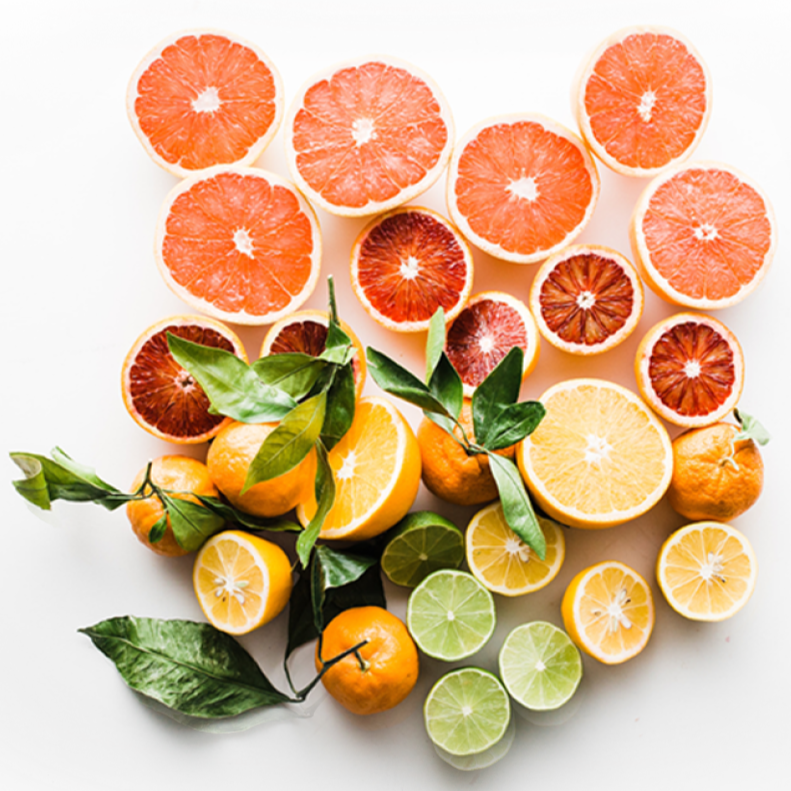
We prioritize partnerships with certified farmers who follow sustainable practices. This ensures that our customers receive the freshest organic produce while supporting ethical farming methods.
 Organic Foods Only
We are dedicated to offering only organic foods that are free
from harmful elements.
Organic Foods Only
We are dedicated to offering only organic foods that are free
from harmful elements.
 Quality Standards
We adhere to strict standards to ensure that every product
meets the highest criteria.
Quality Standards
We adhere to strict standards to ensure that every product
meets the highest criteria.

 I absolutely love shopping at Econis! The selection of
organic fruits and vegetables is
fantastic, and everything tastes so fresh. It’s great to
know I’m supporting local farmers.
Highly recommend!
Sara Taylor
Consumer
I absolutely love shopping at Econis! The selection of
organic fruits and vegetables is
fantastic, and everything tastes so fresh. It’s great to
know I’m supporting local farmers.
Highly recommend!
Sara Taylor
Consumer
 Econis is my go-to store for all things organic. The staff
is friendly and knowledgeable,
always ready to help with recommendations. I’ve noticed a
significant difference in the
quality of my meals since I started shopping here!
Ien Parlentor
Consumer
Econis is my go-to store for all things organic. The staff
is friendly and knowledgeable,
always ready to help with recommendations. I’ve noticed a
significant difference in the
quality of my meals since I started shopping here!
Ien Parlentor
Consumer
 I can’t say enough good things about Econis! Their
commitment to sustainability and quality
is evident in every product. From delicious snacks to fresh
produce, everything is top-notch.
I feel good about what I’m buying!
Mary Crimes
Consumer
I can’t say enough good things about Econis! Their
commitment to sustainability and quality
is evident in every product. From delicious snacks to fresh
produce, everything is top-notch.
I feel good about what I’m buying!
Mary Crimes
Consumer
100%
Organic
285
Active Products
350+
Organic Orchads
25+
Years of Farming

25 Nov
The amount of vitamin D you need may vary depending on factors such as age, skin color, and overall health.
25 Nov
Tomatoes are more than just a tasty addition to your salad; they're packed with essential nutrients that can benefit your overall health.
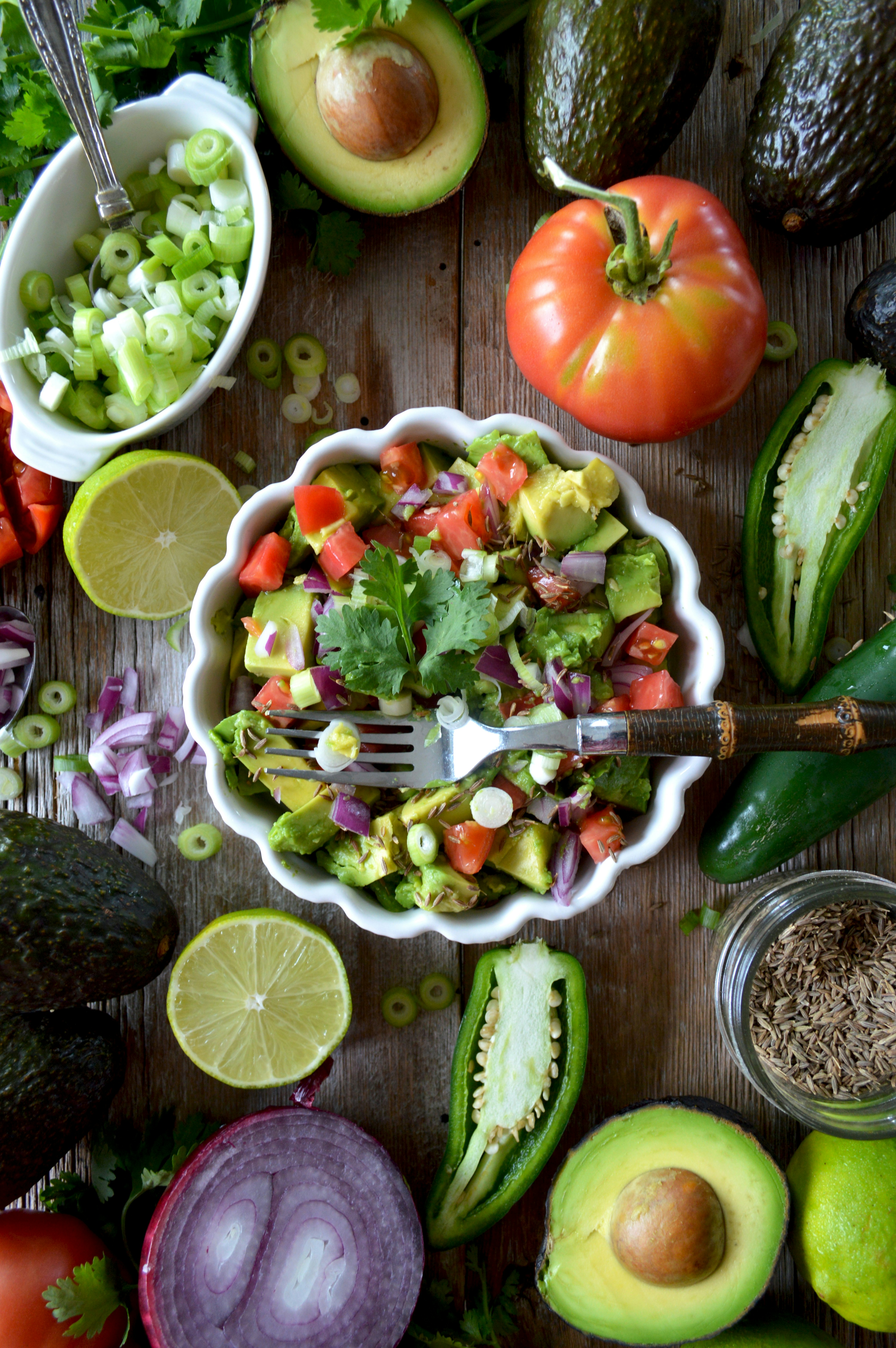
Vitamin D plays a crucial role in various bodily functions, including:
While fruits and vegetables are not typically considered
significant sources of vitamin D, certain
plant-based foods can contribute to your intake. Wild mushrooms,
in particular, stand out as an
exceptional source, with some varieties containing up to 2300
International Units (IU) of vitamin
D2 per 100 grams, which is substantially higher than the
recommended daily intake. Similar to humans,
mushrooms have the ability to synthesize vitamin D when exposed to
ultraviolet (UV) light. However,
the form of vitamin D produced by mushrooms, vitamin D2, is less
bioavailable compared to the vitamin
D3 found in animal products.
Other plant-based foods that contain vitamin D, albeit in smaller
amounts, include avocados, cooked
spinach, parsley, and various herbs such as alfalfa, dandelion,
nettle, and horsetail. It's important
to note that the vitamin D content in these foods can vary
depending on factors like growing
conditions, exposure to sunlight, and the specific variety.
Additionally, many food manufacturers
fortify plant-based products like cereals, juices, and plant-based
milk with vitamin D to enhance
their nutritional value.
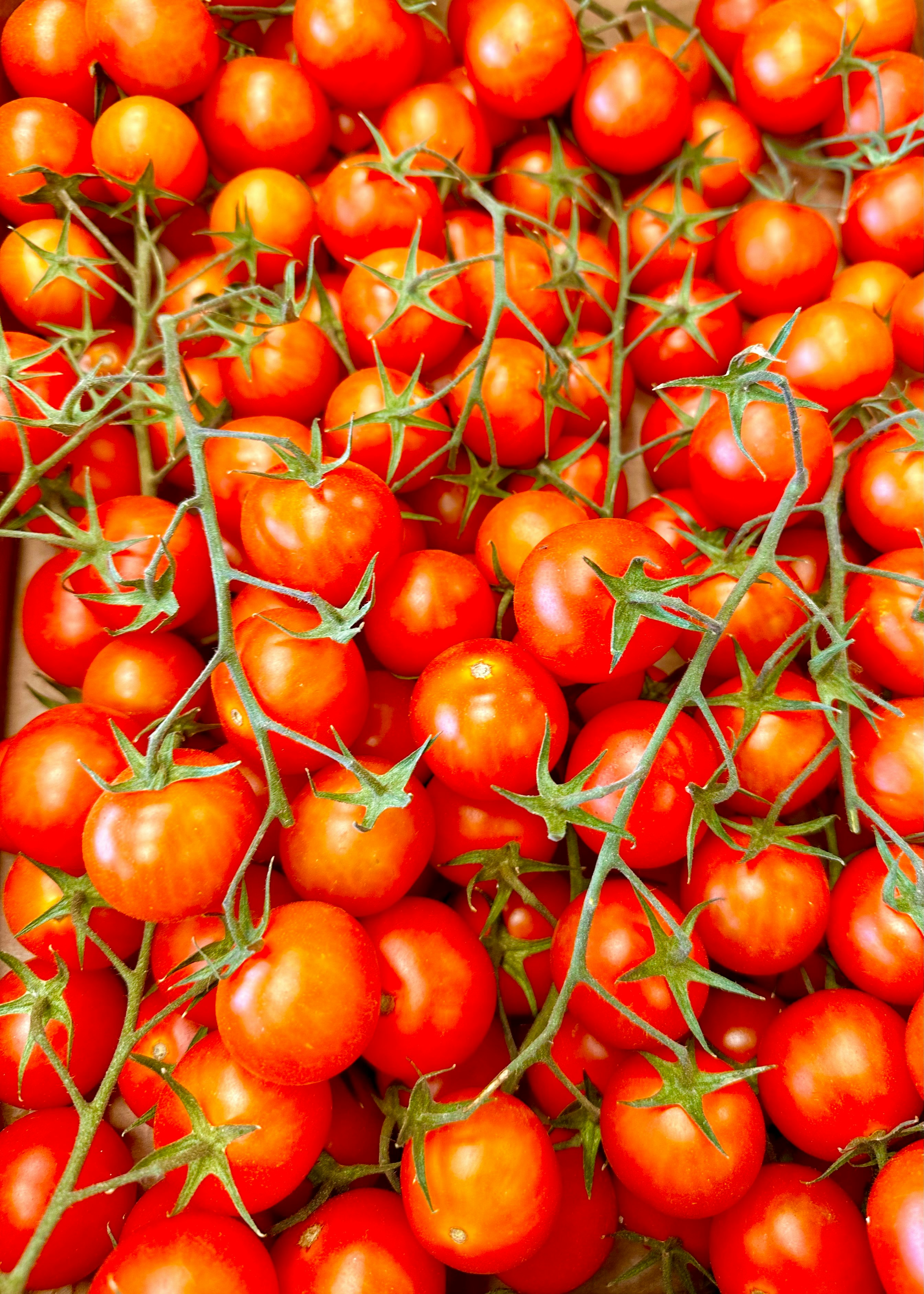
Tomatoes are more than just a tasty addition to your salad; they're packed with essential nutrients that can benefit your overall health. These vibrant red fruits are a rich source of.
Incorporating tomatoes into your diet can help.
Protect your heart: the combination of lycopene
and potassium makes tomatoes a
heart-healthy food.
Boost your immune system: vitamin C helps your
body fight off infections.
Improve skin health: lycopene may help protect
your skin from sun damage and reduce
the risk of skin cancer.
Promote healthy digestion: the fiber in tomatoes
can aid in digestion and prevent
constipation.